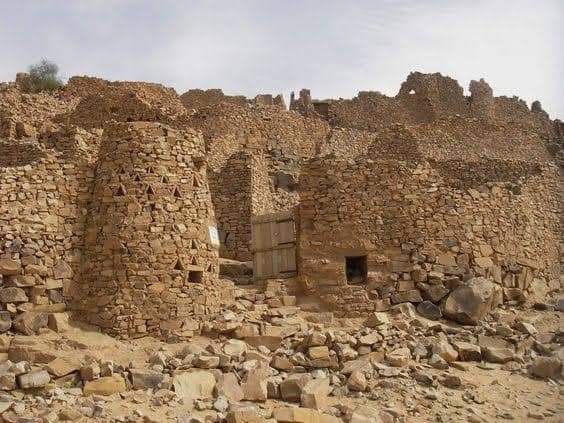
Wagadou: Land of Gold
The Ghana Empire — formally called Wagadou — arose around the 4th century AD from the Soninke people. Positioned at the intersection of gold-bearing forests to the south and salt mines of the Sahara to the north, Wagadou became extraordinarily wealthy by controlling and taxing the flow of these essential commodities.
The empire's capital, Koumbi Saleh, was one of the largest cities of the medieval world, reportedly home to 20,000 people at its height. Its king commanded an army of 200,000 men and maintained courts of dazzling opulence that astonished Arab travellers.
The king's horses wore golden blankets and his dogs wore golden collars, according to Arab chronicler Al-Bakri writing in 1068 AD.
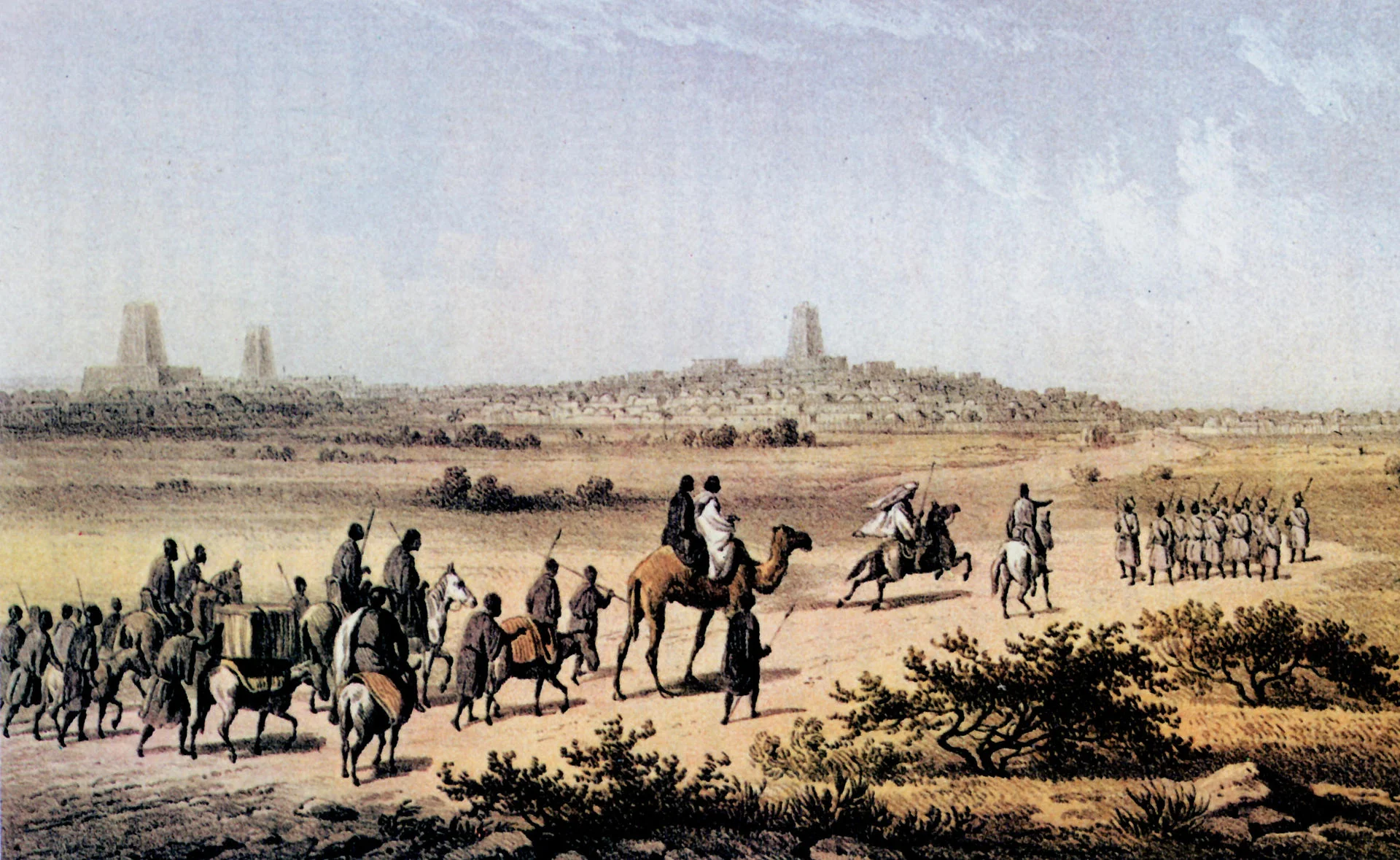
Masters of Commerce
The empire's prosperity derived not from conquest alone but from sophisticated statecraft — a standardised tax system, weights and measures for gold dust, and a legal framework that governed trade disputes across thousands of miles.
Arab chroniclers described Ghana's king riding a horse adorned with gold, while his dogs wore golden collars. The monarch held absolute authority, with courts that dispensed justice to merchants from across the known world.
The empire's decline came gradually — Almoravid Berber pressure from the north beginning around 1050 AD disrupted trade routes and destabilised the political order. By 1076, the capital had fallen, though regional successors continued until the 13th century.