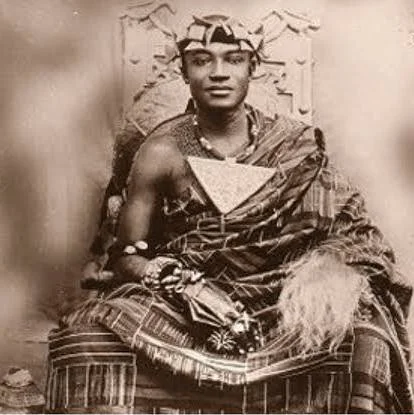
Osei Tutu & the Birth of Asante
In 1701, the warrior-king Osei Tutu I, aided by his spiritual advisor Okomfo Anokye, unified the scattered Akan clans of the Kumasi plateau into a single, powerful confederation.
The instrument of unity was the Sika Dwa Kofi — the Golden Stool — said to have descended from heaven into Osei Tutu's lap, embodying the collective soul of the Asante people.
The Sika Dwa Kofi is never sat upon by anyone — including the Asantehene. It is placed on its own throne beside the king as an equal, representing the soul of the Asante nation.
The Anglo-Asante Wars
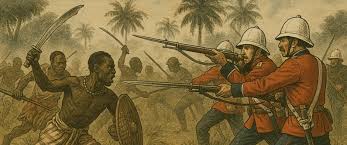
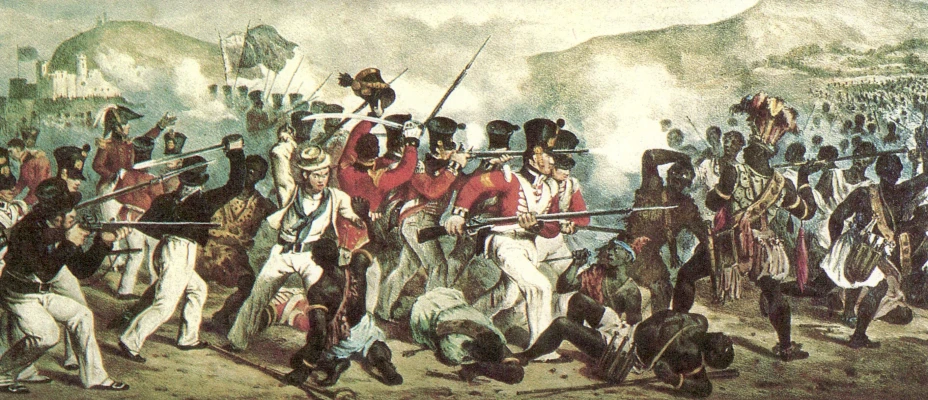
Battle of Nsamankow
British commander Sir Charles MacCarthy was killed in the field by Asante forces. This early victory established Asante military dominance.
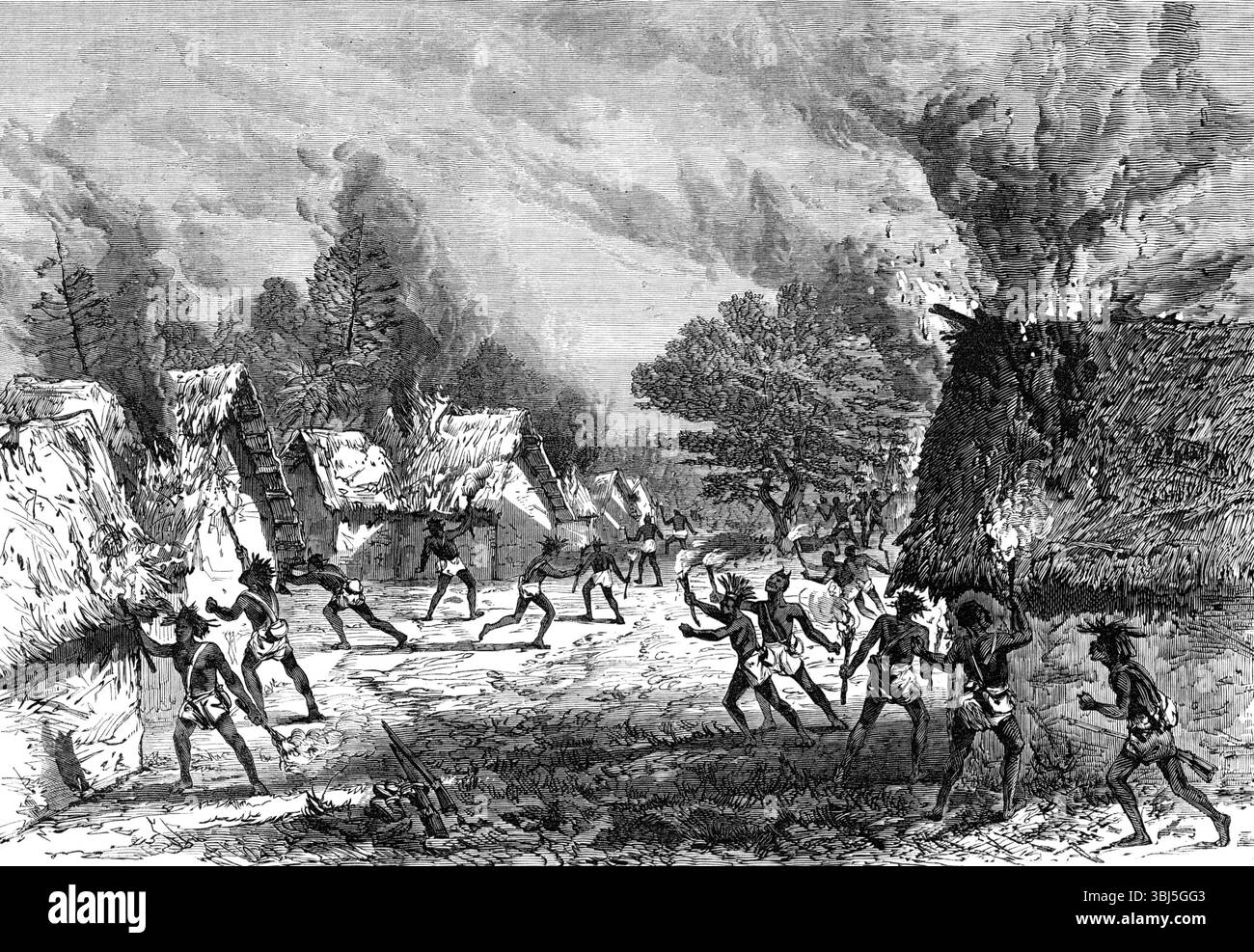
Burning of Kumasi
Despite British forces burning Kumasi, the Confederacy rapidly rebuilt and continued to resist British encroachment.
Yaa Asantewaa's Resistance
When Governor Hodgson demanded the Golden Stool, Yaa Asantewaa led the military resistance in the absence of exiled male chiefs.
A Sophisticated State
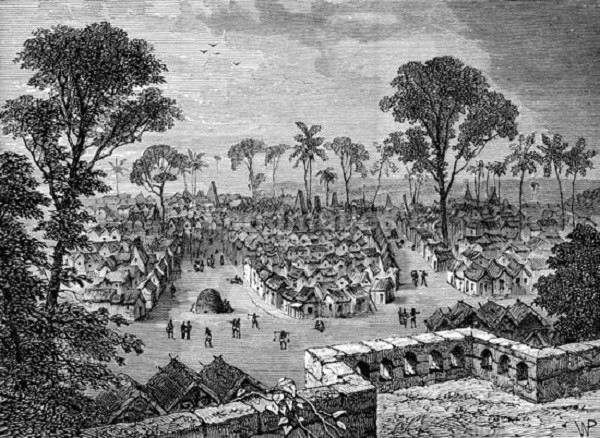
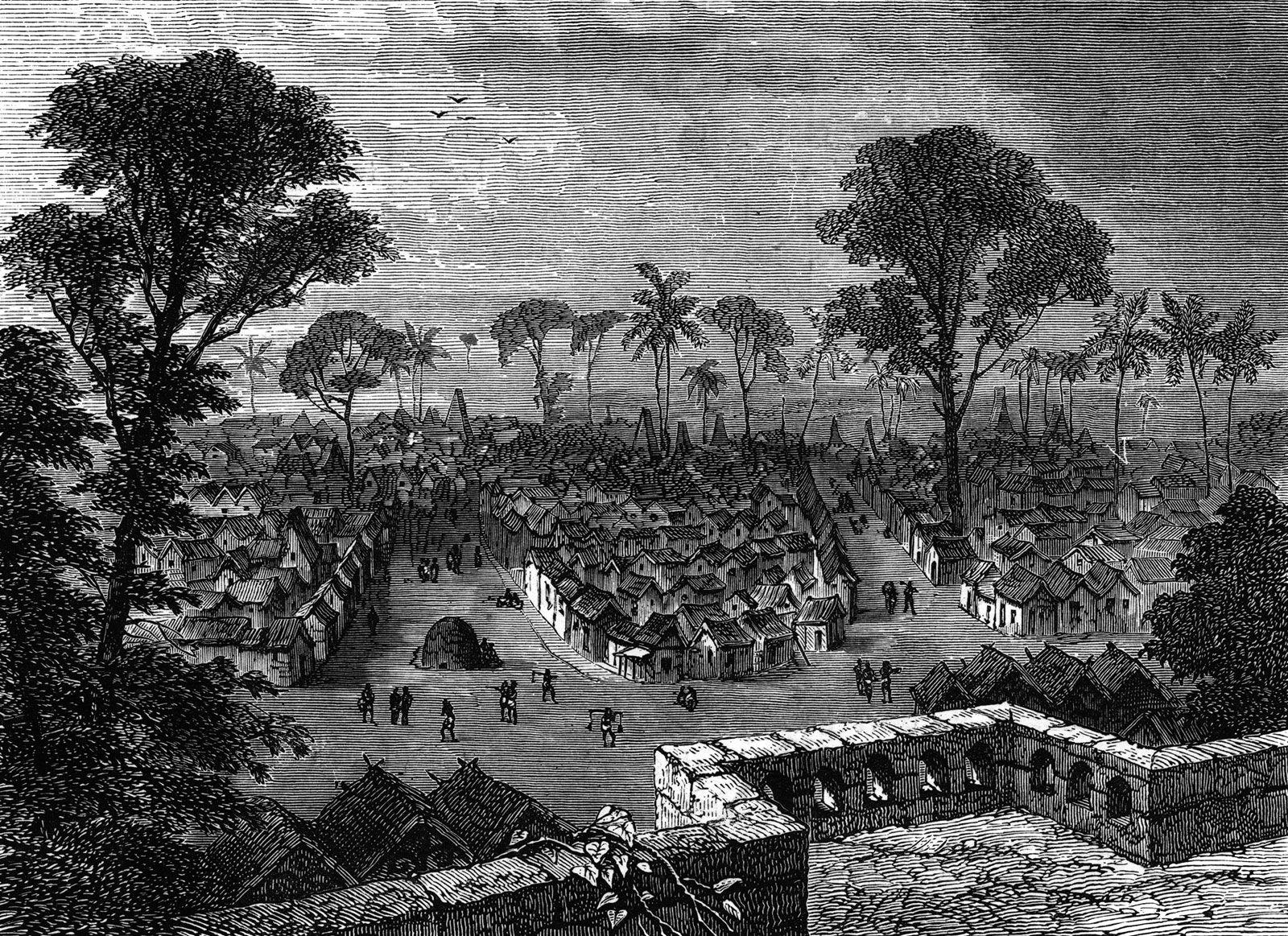
Kumasi was a city of 25,000 — a centre of architecture, craft, law, and statecraft that astonished visiting Europeans.
The Asante legal system was remarkably sophisticated — courts operated at multiple levels, capital punishment required review, and the rights of commoners against chiefs were legally recognised.
Though Asante was absorbed into the British Gold Coast Colony in 1902, the Golden Stool was never surrendered. It remains in Kumasi to this day.